Source UV Sterilization Passbox for Medical Labs and Clean Rooms
Compare 30 UV Sterilization Passbox units from verified suppliers. These devices feature hydrogen peroxide or UV sterilization methods, touch screen controls, and SUS304 construction for medical, health, and laboratory applications.
Key considerations
Products List


Best Price Laboratory Cleanroom Vhp Pass Box Vhpb Sterilizer Pass Through Box
$18000.00 - $19602.00
MOQ: 1 Pieces


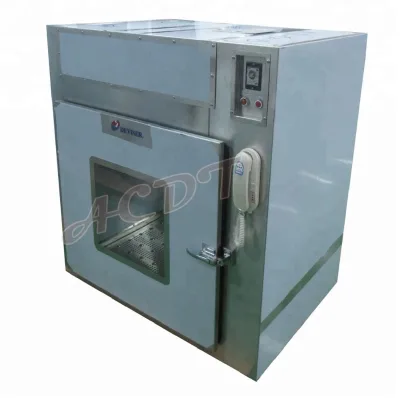


UV Disinfection Function Passbox for Biological Reagent Laboratory Room
$250.00 - $350.00
MOQ: 1 Pieces


Medical Dynamic Sterile Transfer Enclosure with UV Disinfection Lamp CE Passbox
$250.00 - $350.00
MOQ: 1 Pieces


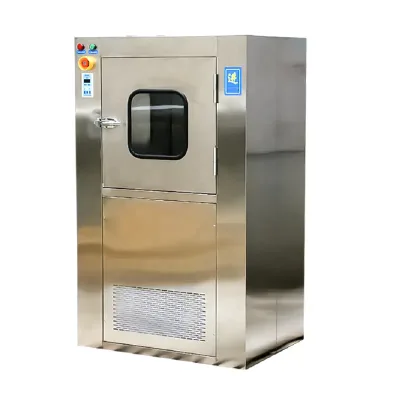
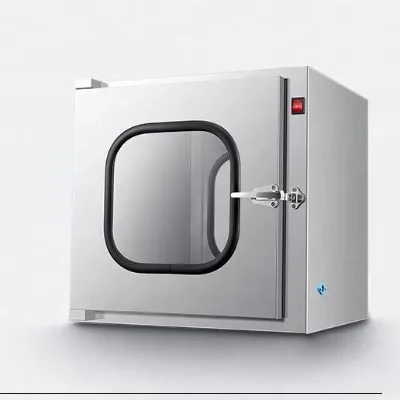


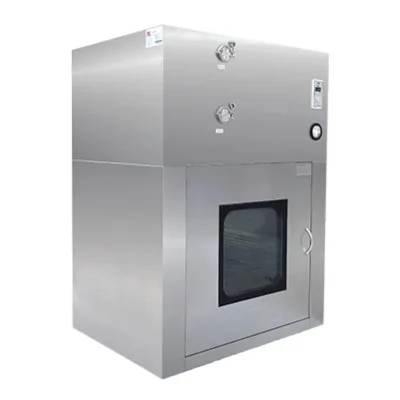
Comprehensive Sourcing Guide
Strategic Sourcing Guide for UV Sterilization Pass Boxes
Understanding Technical Specifications and Operational Parameters
When sourcing a UV sterilization pass box, buyers must first distinguish between the specific sterilization mechanisms available in the market. While the core keyword focuses on UV technology, the supplied product data reveals a significant presence of Vaporized Hydrogen Peroxide (VHP) systems, such as the VHPB-500 series. A procurement strategy must therefore begin with a precise definition of the required sterilization agent. The observed data indicates that some units utilize Hydrogen Peroxide as the primary sterilizer, with cycle times reported as less than 120 minutes. In contrast, UV-based systems rely on germicidal radiation, often requiring different validation protocols.
The physical dimensions and internal capacity are critical for operational fit. Specifications observed in the market include outer sizes of 7007001150mm and inner dimensions of 500mm630mm600mm, while other models like the VHPB-500 offer a footprint of W850 D700 H2000. Buyers must verify that the selected unit's inner volume accommodates the largest items intended for transfer without compromising the sterilization efficacy. The material composition is another non-negotiable technical factor; the supply chain data consistently points to SUS304 stainless steel as the standard material, ensuring the necessary corrosion resistance and ease of cleaning required for cleanroom environments.
Control systems vary significantly between models. High-end configurations feature Siemens touch screens, allowing for precise parameter management, while others may utilize mechanical interlocks or electronic control modes. The noise level is a critical environmental factor for cleanroom operators, with observed ranges between 60-70db. Furthermore, the power requirements must align with the facility's infrastructure, as units are available with 220V 50Hz inputs, as well as dual voltage options supporting 220V 50Hz and 110V 60Hz. The cleanliness class is a vital metric, with some units claiming Class A performance, which is essential for maintaining the integrity of sterile zones.
Compliance, Certification, and Regulatory Standards
Navigating the regulatory landscape is paramount when importing industrial sterilization equipment. The supply data highlights specific certifications such as ISOCE and CE, which serve as indicators of compliance with international safety and quality standards. However, buyers must treat these as observations of specific listings rather than universal guarantees for all products in the category. A rigorous due diligence process is required to verify that the specific model being purchased holds valid, current certification documents that are recognized in the destination country.
The standards governing these units are often customized to meet specific client requirements, as indicated by the "customized" standard attribute in the product data. This implies that there is no single global standard that applies to every pass box; instead, compliance is often negotiated based on the application sector. For medical and laboratory applications, the equipment must adhere to stringent hygiene protocols. The "Cleanliness: Class a" attribute suggests a high level of filtration and containment, but buyers should request independent test reports to validate this claim against local regulatory bodies.
Additionally, the origin of the product plays a role in compliance. The data lists origins in both Jiangsu, China, and Taiwan, China. While both regions have robust manufacturing capabilities, the specific export regulations and trade agreements applicable to these locations can affect the ease of customs clearance and the validity of certifications. Buyers should ensure that the supplier can provide a Certificate of Origin and that the product meets the specific import regulations of the target market, particularly regarding electrical safety and chemical sterilization agents if VHP is used.
Cost Drivers and Pricing Structure Analysis
The pricing landscape for sterilization pass boxes is highly variable, with observed listed prices ranging from 120 USD to 19,800 USD. This wide disparity is not arbitrary but is driven by several distinct cost factors. The primary driver is the sterilization technology employed. Units utilizing advanced Vaporized Hydroxide Peroxide systems with complex touch screen controls and rapid cycle times command a premium over basic UV or mechanical interlock models. The inclusion of optional accessories, such as floodlights, sterilization lamps, intercoms, timer switches, and drums, further escalates the unit cost.
Material quality and construction standards also significantly influence the final price. The use of SUS304 stainless steel with electroplating surface treatments ensures durability and corrosion resistance, adding to the manufacturing cost compared to lower-grade materials. The packaging method, whether a standard pallet or an export wooden case, adds to the logistics cost, which is often reflected in the total price. Furthermore, the level of customization required can drastically alter the cost structure. Products listed as "customized" or with specific model numbers like DPB666 or SZP often involve bespoke engineering, which increases the unit price compared to standard off-the-shelf inventory.
The minimum order quantity (MOQ) is another critical financial consideration. The observed MOQ range spans from 1 to 4 units. Buyers purchasing single items may face a higher per-unit cost due to the lack of economies of scale, whereas bulk orders of 4 units or more might negotiate better pricing tiers. The supply ability, noted as 10 sets per week, suggests that while the market can handle moderate demand, large-scale procurement may require advance planning to avoid lead time delays. Buyers should also factor in the warranty terms, which are typically 1 year, and the availability of after-sales service, including engineers available to service machinery overseas, as these long-term service costs are part of the total cost of ownership.
Typical Applications and Operational Environments
The versatility of sterilization pass boxes makes them suitable for a diverse range of high-stakes environments. The primary application sectors identified in the product data include Medical, Health, Laboratory, and Clean Room facilities. In these settings, the pass box serves as a critical barrier to prevent cross-contamination between sterile and non-sterile zones. The specific usage cases observed include sterilization, dust removal, and smoke removal, indicating that these units are designed to handle not just biological contaminants but also particulate matter and potentially hazardous fumes.
For the Inspection and Quarantine Department, the pass box functions as a secure transfer point where goods can be sanitized before entering a controlled area. The "Easy Cleaning" and "Corrosion Resistance" features are particularly valuable in these environments, where frequent decontamination cycles are necessary. The noise level of 60-70db is a key consideration for laboratories where quiet operation is preferred to maintain a conducive working environment, though this may be less critical in industrial quarantine zones.
The choice between UV and VHP sterilization often depends on the specific application requirements. VHP systems, with their ability to sterilize complex geometries and reach死角 (dead angles), are often preferred for pharmaceutical and biotechnology applications where absolute sterility is required. UV systems, while effective for surface sterilization, may be more suitable for simpler transfer needs in general laboratory settings. The "Cleanliness: Class a" attribute suggests that these units are designed to support ISO Class 5 or equivalent cleanroom standards, making them indispensable for processes involving sensitive biological samples or sterile manufacturing.
Supplier Evaluation and Sourcing Strategy
Evaluating suppliers for sterilization pass boxes requires a multi-faceted approach that goes beyond simple price comparison. The supply data indicates a concentration of manufacturers in China, specifically in Jiangsu and Taiwan. Buyers should verify the supplier's manufacturing capabilities, ensuring they have the capacity to produce units with the specified material (SUS304) and surface treatments (electroplating). The "Customization: Available" and "Customization: Yes" attributes suggest that many suppliers offer tailored solutions, which is a positive indicator of technical flexibility.
A critical aspect of supplier evaluation is the after-sales support infrastructure. The data explicitly mentions "Engineers available to service machinery overseas," which is a significant advantage for international buyers. This capability ensures that any technical issues or maintenance needs can be addressed promptly, minimizing downtime. Buyers should also assess the supplier's supply ability, with 10 sets per week being a benchmark for small to medium-scale operations. For larger projects, buyers must confirm if the supplier can scale production to meet higher demand without compromising quality.
The warranty period, typically 1 year, is another standard metric for supplier reliability. However, buyers should scrutinize the terms of the warranty to understand what is covered, such as parts, labor, and shipping costs for overseas service. The port of dispatch, listed as TWTXG, provides insight into the logistical capabilities of the supplier, but buyers should also confirm the reliability of their shipping partners to ensure timely delivery. Finally, the brand name "ACDT" appears in the data, but buyers should not rely on brand recognition alone; instead, they should request references and case studies from previous clients in similar industries to validate the supplier's performance history.
Quality Control and Long-Term Procurement Considerations
Implementing a robust quality control (QC) protocol is essential to ensure that the purchased pass boxes meet the required specifications. Buyers should mandate pre-shipment inspections that verify the material thickness, surface finish, and the functionality of the control systems, such as the Siemens touch screen or mechanical interlocks. The "Product Packing: Wooden Case" and "PALLET / CRATE" details indicate that packaging is a critical component of the QC process, as improper packaging can lead to damage during transit, especially for precision instruments.
Long-term procurement considerations extend beyond the initial purchase to include maintenance, spare parts availability, and lifecycle management. The "Optional Accessory" list, which includes items like sterilization lamps and timer switches, highlights the need for a reliable supply chain for replacement parts. Buyers should negotiate service level agreements (SLAs) that guarantee the availability of these components for the lifespan of the equipment. The "Sterilization Cycle Time: Less Than 120 Min" specification suggests that efficiency is a key performance indicator, and buyers should monitor this metric over time to ensure the unit continues to operate within the specified parameters.
Furthermore, the "Standard: customized" attribute implies that the equipment may require specific adjustments over time to adapt to changing regulatory requirements or operational needs. Buyers should establish a relationship with the supplier that allows for future upgrades or modifications. The "After-sales Service Provided: Engineers available to service machinery overseas" is a crucial long-term asset, ensuring that the equipment remains operational and compliant with evolving standards. By focusing on these long-term factors, buyers can mitigate risks and ensure a sustainable procurement strategy for their sterilization infrastructure.
FAQs
What sterilization methods are available for pass boxes?
Vaporized Hydrogen Peroxide is a primary sterilization method observed in models like VHPB-500, with cycle times under 120 minutes. Some units also support UV sterilization, though the specific agent depends on the model configuration and customization options available from the supplier.
Which certification standards do these pass boxes meet?
Products in this category frequently hold CE and ISOCE certifications to indicate compliance with international safety standards. Buyers must verify that specific listings possess valid, current documents recognized in their destination country rather than assuming universal certification for all units.
How much does a UV sterilization pass box cost?
Listed prices range widely from 120 to 19,800 USD depending on the sterilization technology and customization level. Advanced VHP systems with Siemens touch screens and rapid cycles command higher prices compared to basic mechanical interlock models with standard packaging.
Can I customize the dimensions and material of the unit?
Yes, customization is available for dimensions, materials like SUS304 stainless steel, and control modes. Buyers can request specific outer sizes such as 700*700*1150mm or inner volumes tailored to their cleanroom requirements through the supplier's engineering services.
What is the typical noise level during operation?
Observed noise levels for these units range between 60 and 70 decibels during operation. This factor is critical for laboratory environments where quiet operation is preferred, though it may be less significant in industrial quarantine zones.
Which suppliers offer overseas after-sales service?
Many manufacturers provide engineers available to service machinery overseas as part of their after-sales package. This support infrastructure is essential for international buyers to ensure prompt resolution of technical issues and minimize downtime in their facilities.